
Pitt-Greensburg Democrats to Host Anti-Book Ban Panel
by Alissa Brown
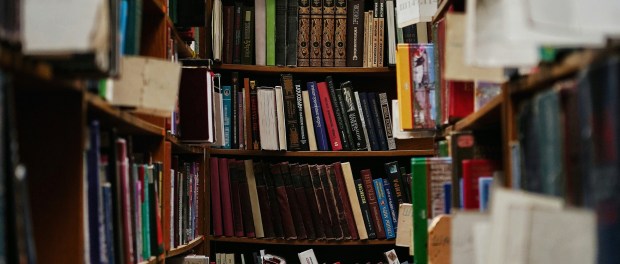 Photo Courtesy of Olena Bohovyk on Unsplash
The Pitt-Greensburg Democrats are hosting an anti-book ban panel on Wednesday, March 6 from 11:45 a.m. to 1 p.m. in the Hempfield Room in Chambers Hall. In collaboration with the Millstein Library, the panel features guest speakers including former Hempfield school board member Jeanie Smith and scholar Carrie Wardzinski.
The panel addresses the increasing relevance of book bans and the challenges they pose to communities locally and nationwide. Sophomore Morgan Fong, vice president of the Pitt-Greensburg Democrats, will moderate.
“We want to educate but also involve the community on campus,” Fong says. “I think that’s important because we’re a part of the Greensburg community. Sometimes it feels like we get stuck in our own bubble, but I feel like it’s important to educate students about what’s going on around us because politics happens everywhere.”
The event highlights and confronts the issues that arise from the censorship and silencing of communities that come as a result of book bans.
“I think book bans are a way to silence people and I think that is something we need to push back against. When you silence people, you silence ideas, you silence opinions, and I don’t think that’s conducive to a learning environment. I think a lot of students should care about these issues. I think it’s important to educate people and I think a panel is a great way to do that,” Fong says.
Students are encouraged not just to attend the panel, but to engage in the conversation.
“Come to the panel even if you don’t necessarily agree with what we’re discussing,” Fong says. “Ask questions. I think a great way to learn more is to have debates and have discussions, and learn from people.”
Book bans often target inclusive literature under the guise of keeping our school-aged children safe. Dr. Paul Adams, associate professor of political science, is the faculty sponsor of the Pitt-Greensburg Democrats and points to “parents’ rights” groups like Moms for Liberty as one of the primary instigators in this initiative.
“There’s nothing about protecting children that’s actually at the core of this,” Dr. Adams says. “It’s really a part of the culture war issue. ‘If we don’t like this issue, if we don’t like this particular thing, we don’t want to see it in libraries and let anybody have access to it.’ Which is a problem.”
Aiming to do more than shed light on book bans, the panel is also a prime opportunity for students to learn about their local governments.
“I’m hoping that our students come away with a better appreciation of the impact that small governments have on their lives and their families and friends,” Dr. Adams says.
The anti-book ban panel is a chance to foster deeper conversations about the roles that books hold in students’ lives and how book bans can stifle the potentiality for education on the local and national levels.
“That’s the huge value of books and literature, whether it’s fiction or nonfiction, whether it’s history or personal narrative,” Dr. Adams says. “This is all part of the human story that gives us a bigger set of context for ourselves. I think the decisively bad thing about book bans is that they eliminate that exploration and that expansion of knowledge and experience which is the role for books and literature.“
 The Insider
Leave a comment