
Editorial: Are Newspapers Still Relevant?
by Jed Kudrick
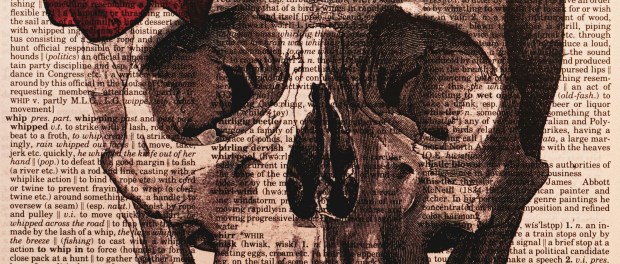 Photo Courtesy of Logan Weaver on Unsplash
Last semester, The Insider petitioned the Student Government Association for funds to breathe life into the tangible world of print journalism and be able to afford paper copies of our newspaper for students to be able to physically read for themselves. We were met with a blunt dismissal and an insinuation that our newspaper was an unread relic of the past with a paraphrased response of — no, nobody reads your newspaper. So, that got me thinking — in a society full of blissful ignorance, journalism stigmas, and technological obsessions — are newspapers — paper or digital — still relevant?
Newspapers date back to ancient Roman times with their Acta Diurna or “Daily Records,” paving the way for paper newspapers in the 1600s, which allowed its readers an accessible window into the world’s events. Since the 1800s, newspapers have been the pinnacle of informational archives, serving as physical preservations of cut-out mementos, such as obituaries or personally significant events, but also offering a record of writings that cannot be altered or deleted.
In a time overwhelmed by digital noise and the unpredictability of social media, newspapers stand strong as symbols of reliability and impartiality. Containing puzzles like sudoku and crosswords, paper copies are more easily interactable than their digital versions. In your local coffee shops, you are more likely to spot a senior citizen flipping through their morning paper than squinting at their phone screen.
The power of student newspapers specifically, can transcend more than just those in the press room, but have the ability to spark change within their local communities and colleges. Even on a smaller campus like Pitt-Greensburg, student journalists wield influence, and are held accountable to the same journalistic standards as mainstream journalists. Student newspapers throughout the years have been symbols of truth and accountability, containing their fair share of groundbreaking exposés and coverage of significant events.
Despite debates over paper versus digital news, you cannot change the facts — physical newspapers are very much still out there and remain relevant. Regardless of a decrease in sales and productions, millions of paper copies are still purchased daily across the country. Being able to obtain a physical copy of your own journalistic achievements should not be seen as a privilege, but supported as a fundamental right, and as a statement to the enduring livelihood of print newspapers in the ever-evolving media landscape.
Jacqui Banaszynski, editor for Nieman, Harvard’s journalism institution, says, “There are more journalistic platforms than ever; the key is what we do on them. Plenty of young people still want to spend their life doing journalism. And these days, they want to do it for the right reasons.”
 The Insider
Leave a comment